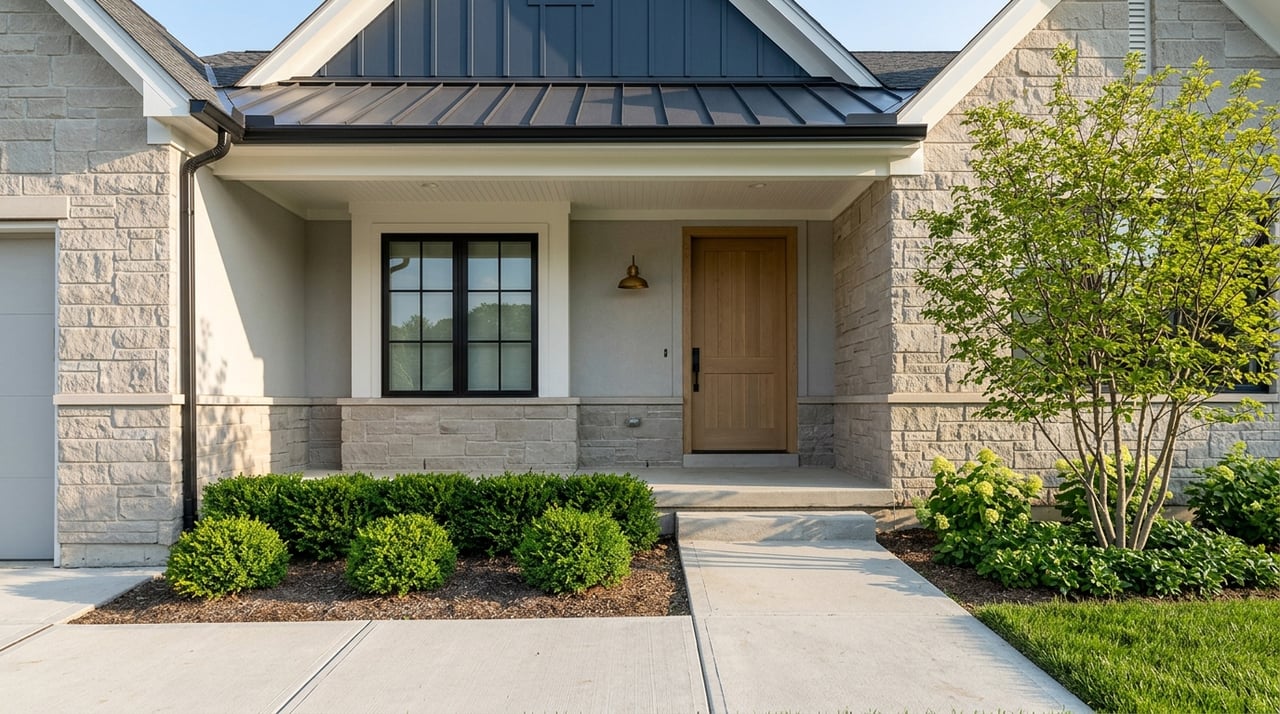
Thinking about buying a brand-new home in Chester County? It can be exciting to picture fresh finishes, modern layouts, and fewer immediate repairs, but new construction often comes with more moving parts than buyers expect. If you are comparing builders, communities, or lots, it helps to understand how timelines, deposits, permits, and upgrades really work before you sign anything. Here is what to know first so you can move forward with more clarity and less stress.
Why new construction works differently
Buying new construction is not the same as buying a resale home. In Chester County, the path to a finished home starts with approvals, permitting, and site conditions long before you see flooring or cabinets go in. Pennsylvania’s Uniform Construction Code requires a building permit before construction begins and a certificate of occupancy before the home can be used.
That matters because your timeline may depend on more than the builder’s projected completion date. If the property is part of a subdivision or land-development plan, the county planning process can affect the schedule. In Chester County, subdivision and land-development plans move through the county planning system, and related submissions are handled through the Chesco Self Service portal.
Chester County lot conditions matter
Not every new-construction site in Chester County is the same. In more rural or semi-rural areas, utility availability can shape both the timeline and your overall buying decision. If a home relies on private systems instead of public utilities, there may be extra approvals involved.
For example, the county requires permits for on-lot sewage systems and wells. New on-lot sewage permits require soil testing, and well approval must be obtained within 90 days of drilling and, for new construction, after final sewage approval. That is why it is so important to ask early whether the lot uses public water and sewer or private systems.
Questions to ask about the lot
Before you move too far into a purchase, ask questions like:
- Is the home connected to public water and sewer?
- If not, what approvals are still needed for the well or on-lot sewage system?
- Has soil testing already been completed?
- Are there any permit-related steps that could affect the construction timeline?
- When is the builder expecting final approvals?
These details may not feel as exciting as picking finishes, but they can have a real impact on your move-in date.
Understand the build process from the start
One of the biggest mistakes buyers make is treating new construction like a one-date transaction. In reality, it is a step-by-step process with milestones along the way. According to the Pennsylvania Builders Association, that process usually includes research, pre-construction, foundation, framing, rough-ins, interior finishes, exterior finishes, and a final walk-through.
The exact schedule can vary based on the builder, area, weather, and other factors. That means your closing date may shift as construction progresses. A good rule of thumb is to think in phases rather than locking into one exact finish date too early.
What you should expect during construction
A typical new-construction purchase may involve:
- An initial reservation or hold process
- Contract review and deposit deadlines
- Design or finish selections
- Construction milestones
- Builder updates and revised timelines
- Final walk-through before closing
- Certificate of occupancy before move-in
When you understand the process in advance, you are less likely to be surprised by delays, decisions, or paperwork later.
Model homes can be misleading
It is easy to fall in love with a model home. The finishes are polished, the layout is staged beautifully, and the experience is designed to help you imagine life there. But a model home is often just one version of what the builder offers.
The Pennsylvania Builders Association recommends visiting model homes and sales offices, asking plenty of questions, and taking your time. It also notes that buyers should decide whether they want a fully custom home or a more standardized plan. In many communities, customization is more limited than buyers expect.
Clarify what is included
Before signing, make sure the contract clearly identifies:
- Standard features
- Upgrades and their added cost
- Specific finishes and materials
- Floor plan details
- Any options that must be selected by a deadline
If you assume something is included because you saw it in the model, you could be disappointed later. The safest approach is to get every feature and finish spelled out in writing.
Ask the right money questions early
The base price is only part of the cost of a new home. You may also be paying for upgrades, deposits, mortgage-related closing costs, transfer taxes, and ongoing association fees if the property is in a planned community.
Mortgage-related upfront costs can include origination fees, points, title insurance, government fees, and initial escrow deposits for taxes and insurance. If the home is in a condominium or HOA community, those dues are usually separate from your mortgage payment.
In Pennsylvania, transfer tax is generally due when title transfers, and local transfer tax also applies. In some affiliated-builder structures, the construction-contract value can also become taxable even if construction has not started. That is one reason it helps to understand the structure of the purchase before you get too far into the process.
Budget items buyers often overlook
Keep an eye on these potential costs:
- Initial deposit or hold deposit
- Additional deposits or milestone payments during construction
- Upgrades and design selections
- Closing costs tied to the mortgage
- State and local transfer taxes
- HOA or condo dues
- Inspection costs
A clear budget can help you compare communities more accurately and avoid last-minute stress.
Deposit terms deserve close attention
Deposit rules vary from one builder or community to another. Some hold deposits may be refundable, while others may not be. Some contracts also require additional payments at certain construction milestones.
The Pennsylvania Builders Association recommends asking what deposit is required, whether a refundable hold deposit is available, and whether milestone payments will be due during construction. You should also ask who controls the escrow funds and under what conditions a deposit may be returned.
If the property is in a planned community covered by the Pennsylvania Uniform Planned Community Act and has more than 12 units, the community owner must have deposit protections in place before collecting unit deposits. That can include escrow, a surety bond, or an irrevocable letter of credit.
Warranty coverage is important, but limited
Many buyers feel more confident about new construction because the home comes with a builder warranty. That can be helpful, but it is important to read the coverage carefully and understand its limits.
The FTC says many newly built homes include warranty coverage for workmanship and materials on many components for about one year, major systems like HVAC, plumbing, and electrical for about two years, and some structural defects for up to 10 years. It also notes that many warranties do not cover living expenses if repairs force you to move out temporarily.
Review the warranty before signing
Ask for details on:
- What is covered
- How long each type of coverage lasts
- What is excluded
- How warranty claims are submitted
- Whether after-sales service is handled directly by the builder
This is also a good time to ask about the builder’s reputation for follow-through after closing.
Why the on-site sales office is not your advocate
Many buyers assume the sales representative at a new-construction community is there to guide both sides fairly. In practice, that is not how representation works in Pennsylvania.
Pennsylvania’s Consumer Notice explains that a buyer agent works exclusively for the buyer, while a seller agent works exclusively for the seller. It also states that a business relationship is not presumed unless the consumer signs a written agreement. In other words, the on-site sales office is there to represent the seller’s side of the transaction, not to advise you as a neutral advocate.
How a buyer’s agent helps with new construction
An independent buyer’s agent can help you:
- Compare included features versus upgrades
- Review contract terms and deadlines
- Keep track of deposits and selection timelines
- Coordinate communication during construction
- Arrange independent inspections
- Stay organized as the closing date shifts
That support can be especially valuable when you are balancing financing, paperwork, builder updates, and design choices all at once.
Inspections still matter on a brand-new home
A new home may be brand new, but that does not mean you should skip inspection planning. The Consumer Financial Protection Bureau recommends scheduling an independent inspection as soon as possible so there is time to address issues or negotiate repairs before closing.
This matters because small issues can still happen during construction. An independent inspection gives you another layer of review before you take ownership. It is one more way to protect your investment and move in with greater confidence.
A smart first step in Chester County
If you are considering new construction in Chester County, the best first step is not picking countertops. It is understanding the community, the lot, the builder, the contract, and the real timeline behind the home you are considering.
That kind of preparation can help you make better comparisons and avoid expensive surprises. It can also make the whole process feel much more manageable, especially if you are juggling the sale of your current home or trying to time a move.
With the right guidance, new construction can be an excellent option. The key is going in with clear expectations, strong questions, and a plan for each step.
If you are weighing new construction in Chester County or anywhere in the surrounding suburbs, The Collective.Real Estate can help you compare options, understand the process, and move forward with experienced, organized support.
FAQs
What should you ask before buying new construction in Chester County?
- You should ask about permit status, utility setup, deposit terms, construction timing, included features, upgrade costs, warranty coverage, and whether independent inspections are allowed.
Why do lot utilities matter for Chester County new construction?
- In some Chester County areas, new homes may rely on wells or on-lot sewage systems, which can require additional permits, soil testing, and approvals that affect timing.
Are builder deposits refundable in Pennsylvania new construction?
- It depends on the builder and the contract, so you should confirm whether a hold deposit is refundable, whether more payments are due during construction, and how escrow is handled.
Do you need a buyer’s agent for a Chester County new-construction home?
- A buyer’s agent can represent your interests, help you review contract terms, compare upgrades, coordinate inspections, and keep the process organized from contract to closing.
Should you get an inspection on a newly built home in Pennsylvania?
- Yes, an independent inspection is still a smart step because it gives you time to identify concerns and address them before closing.
